The Mini Print Database
The mini print database built for collectors. Browse 800+ prints, see where they are stocked, track what you own, and find collectors who have what you are hunting.
Vault is a free mini print database and collection tracker. Every print below has its own page with the artist, rarity, category and the machines currently stocking it. Signed-in members also see how many collectors own it, are hunting it, or have a duplicate to trade. The catalog updates as prints are released, so there is no spreadsheet to maintain by hand.
Browse by artist
Vault catalogs multiple mini print artists. Each artist hub lists that artist's prints and the machines carrying them.
Search the database
800+ prints, searchable by name. Every result links to that print's page with its rarity, current machines, and collector counts.






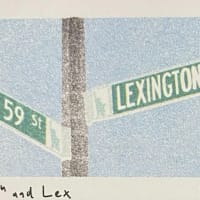





































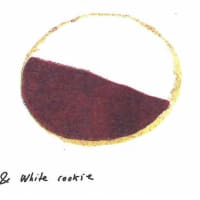






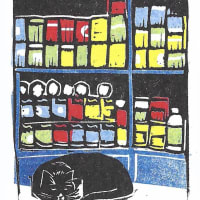

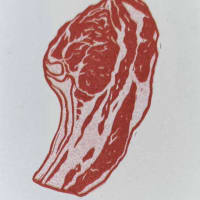
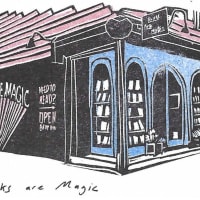















































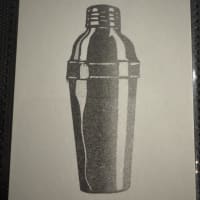




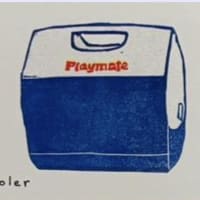






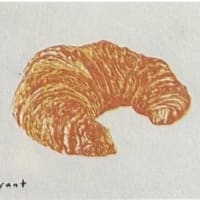






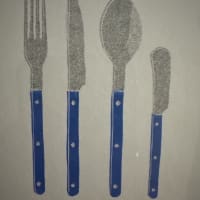


















































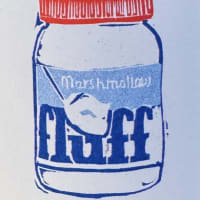


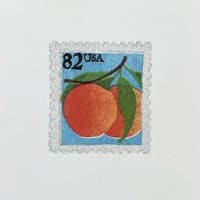


































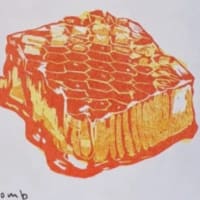
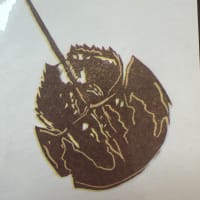



















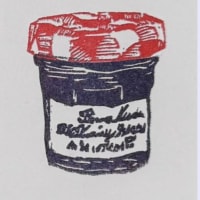
















































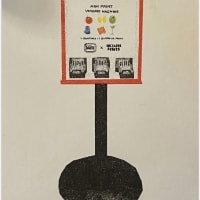







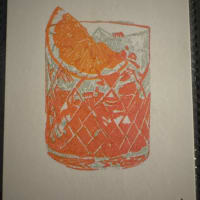
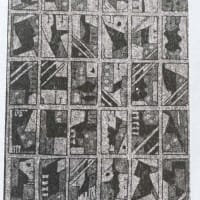











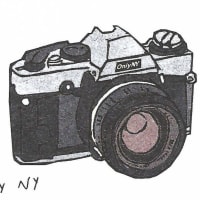


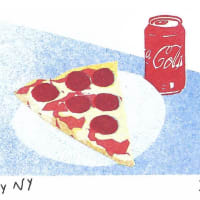




























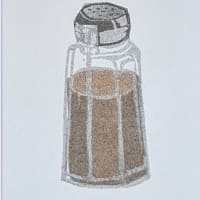










































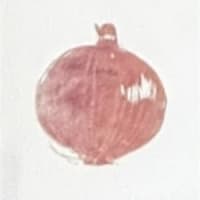


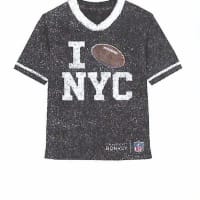









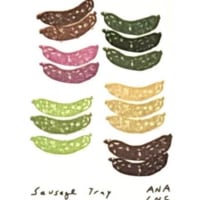













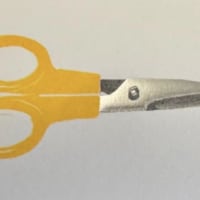









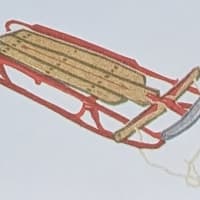



























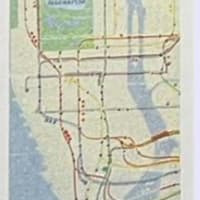


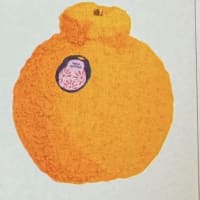




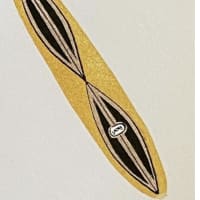




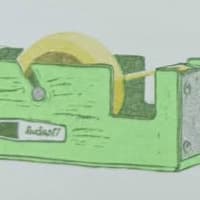


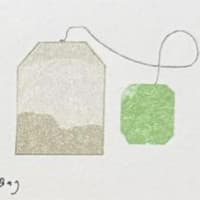











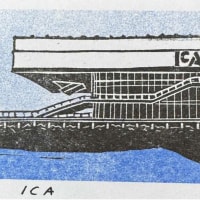


























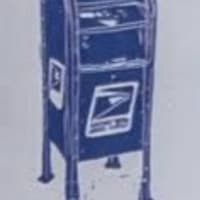
































Recently Added
Newest in the catalog



What the database tracks
A mini print database is only useful if it reflects what is actually in the machines. Vault records four things a static list cannot:
- Machine availability. Which venues currently stock a print, and whether the machine was last reported stocked, low, or empty.
- Rarity and circulation. Common, limited, and unicorn prints, plus out of circulation prints that only move through trades.
- Collector demand. How many collectors own a print, are hunting it, or have a duplicate to trade.
- Where to go next. Every print links to the machines carrying it and the city guide for that area.
Beyond the catalog
Browsing is the starting point. Once a collection is tracked, the database becomes a trading tool: Vault matches duplicates against other collectors' hunt lists so the prints you have spare find the people looking for them.
Common questions
Is there a mini print database?
Yes. Vault maintains a free mini print database at miniprint.io/database covering 800+ prints across multiple artists, with rarity, category, machine availability, and per-print pages showing where each print has been found.
What is in the mini print database?
Every catalogued print has its own page with the print image, artist, rarity, category, the machines and venues currently stocking it, and live collector counts for how many people own it, are hunting it, or have it available to trade.
Is the mini print database free?
Yes. Browsing the database, searching prints, and viewing machine locations are free and need no account. Tracking a collection is free too. Trading with other collectors is part of Vault Annual at $12.99 a year.
How is this different from a spreadsheet or Google Sheet tracker?
A spreadsheet holds a list you maintain by hand. The Vault database is live: it updates as prints are released, shows which machines are currently stocked, and connects your collection to other collectors so duplicates turn into trades. Nothing has to be copied or re-typed when the catalog changes.